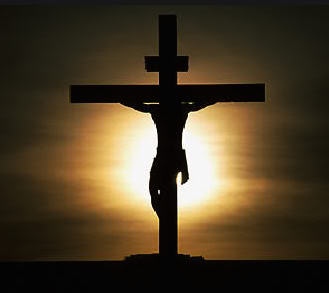
Faith Is About Obedience

There is a very important phrase in the beginning of St. Paul’s Letter to the Romans, which we are reading in daily Mass. A common modern conception of what it means to have faith has an egocentric element, for which St. Paul provides a remedy. In describing his authority and mission as an apostle, he says,

Through [Jesus] we have received the grace of apostleship, to bring about the obedience of faith, for the sake of his name (Romans 1:3-4).

There it is: the obedience of faith.

He repeats the same phrase at the very end of Romans as well:

Now to God who is able to strengthen you according to my gospel and the preaching of Jesus Christ … through the prophetic writings has been made known to all nations, according to the command of the eternal God, to bring about the obedience of faith—to the only wise God be glory forevermore through Jesus Christ! Amen (Romans 16:25-27).

So again we read, “the obedience of faith.” It forms the bookends of the Letter to the Romans. St. Paul both starts and ends the letter declaring his purpose to be bringing about the obedience of faith.

Are we listening? Faith requires obedience from us. There are precepts, knowledge, and commands to which we must be obedient. Faith and obedience are two sides of the same coin. If we have true faith, we will be obedient and we cannot have a saving obedience apart from faith. If we have faith, we will base our life upon its promises and demands. We will see and judge the world by the standards of faith, even if that challenge us and convicts us of error or wrongdoing. Who has not obedience cannot claim to have faith. You can tell a tree by its fruit. If there is no good fruit (obedience) then there is not a good tree (faith).

This is important because many today have turned faith into a kind of self-help, self-affirming thing. According to this notion, the role of faith and religion is to comfort me, affirm me, and give me meaning that pleases me. Many speak of the “god within,” or the “god of my understanding.” They think that they have a perfect right to craft their own “god” and worship him (or her, it, or them). Inventing your own god and worshipping it used to be called idolatry and was the most egregious sin imaginable. Today, however, many blithely call this being “spiritual but not religious” and self-righteously speak of their spiritual hubris as a kind of tolerance, enlightenment, and openness.

In such a view, “god” becomes a kind of “affirmer-in-chief” or divine butler whose role is to step and fetch, to provide for me and console me. A god who says no or summons us to difficult things is unimaginable to many. The “Jesus I know” or the “god of my understanding” is fine with almost any sin (except intolerance of course), and is, frankly, just a big sweetie-pie. Gone is the cross or any demand to repent or to come to conversion. If there is any demand at all, it is that I learn to love and accept myself just as I am and others just as they are.

Apparently Paul never got that memo. He sees faith as a truth to comprehend and obey. Faith is taught and revealed, not invented and self-proclaimed.

The Greek word translated here as obedience is ὑπακοή (hypakoe), which literally means to be under what is heard: hypo (under) + akouo (hear). Having heard the revealed faith, we are to be under its sway, its demands, and its truth.

The opening words of Jesus’ ministry were “Repent and believe the gospel” (Mark 1:15). The word “repent” is a translation of the Greek metanoiete, which literally means “come to a new mind.” In other words, get rid of all that worldly mumbo-jumbo and the self-deception of the “god of your understanding.” Lose the trendy gibberish and double-talk. Come to a new, transformed mind that grasps the revealed truth of the gospel and have a will that is ready to obey.

St. Paul is clear that his work is to bring about the obedience of faith in us. Consolation, welcoming, and affirmation have their place, but obedience is the central goal—even if it means that affirmation, welcoming, and consolation must go. Would that all pastors and their flocks had this key goal in mind. To obey is better than sacrifice, and to heed is better than the fat of rams (1 Sam 15:22).

Party or Perish

The past three Sundays have featured shocking parables about our readiness, fruitfulness, and decision as to whether to accept and enter the Kingdom of God. The Lord has used the image of a vineyard extensively: a vineyard into which workers are dispatched at different times of the day but who have different attitudes about what is due to them at the end of the day; a vineyard into which two sons are sent, one of whom goes and one who does not; a vineyard in which are wicked tenants who refuse to render rightful fruits to the landowner and who abuse and even kill those sent to call for the harvest, including the landowner’s son.

The parables to the great and dramatic decision to which we are all summoned: Will we accept the Kingdom of God, entering into to and accepting its terms or not? It is a decision on which your destiny depends. Jesus is not playing around; he lays out the drama in stark and shocking ways. He is not the harmless hippie or mild-mannered Messiah that many today have recast Him to be. He is the Great Prophet, the Very Son of God, the Lord who authoritative stands before us and tells us to decide.

This Sunday’s Gospel is perhaps the most shocking and dramatic of all. In it, the Lord Jesus issues another urgent summons to the Kingdom. As with past Sundays, there is the warning of hellish destruction for the refusal of the Kingdom. This view must be balanced, however, by the vision of a seeking Lord who wants to fill His banquet and will not stop urging us until the end. You might say the theme of this Gospel is “Party or Perish!”

Let’s look at today’s Gospel in five stages.

I. RICH REPAST – The text says, The kingdom of heaven may be likened to a king who gave a wedding feast for his son. He dispatched his servants to summon the invited guests to the feast …

Of course the King is God the Father and the wedding feast is that of His Son, our Lord Jesus Christ. On one level, the wedding feast is the invitation to faith in general. More biblically, the wedding feast is that of the Lamb, which is described in the Book of Revelation (19:7-9). Hence it is also the Liturgy of Heaven in which we share through the Mass.

What a wonderful image of the Kingdom: a wedding feast! Most Jewish people of that time looked forward to weddings all year long. They were usually scheduled between planting and harvest, when things were slower. Weddings often lasted for days and were among the most enjoyable things imaginable. There was feasting, family, and great joy in what God was doing. Now consider the unimaginable joy and honor of being invited to a wedding hosted by a king!

Yes, these were powerful images for the ancient Jews of the Kingdom: A wedding feast, and for a king’s son at that! The joy, the celebration, the feasting, the magnificence, the splendor, the beautiful bride, the handsome groom, the love, the unity; yes, the Kingdom of Heaven may be likened to a king who gave a wedding feast for his son.

Who would not want to come? We may well ask, if this is Heaven, who would not want to go?

II. RUDE REJECTION – The text says, … but they refused to come. A second time he sent other servants, saying, “Tell those invited: ‘Behold, I have prepared my banquet, my calves and fattened cattle are killed, and everything is ready; come to the feast.’” Some ignored the invitation and went away, one to his farm, another to his business. The rest laid hold of his servants, mistreated them, and killed them.

Here is a real twist to the story, an unexpected development. Why the rejection of the king’s offer? In our time, why the rejection of what God offers? Are these people crazy? In effect, Jesus explains their rejection in a two-fold way: worldliness and wickedness.

One group of those rejecting the invitation to the Kingdom of Heaven do so for worldly reasons. Jesus describes them as going one to his farm, another to his business. In other words, the things of the world, though not evil in themselves, preoccupy them. They are too busy to accept the invitation; their priorities and passions are elsewhere.

They think, weddings are nice but money is nicer; God and religion have their place, but they don’t pay the bills.

The goal of the worldly, is this world and what it offers, not God or the things awaiting them in Heaven. Things like prayer, holiness, Scripture, and sacraments don’t provide obvious material blessings to the worldly minded so they are low on the priority list. St. Paul speaks of people whose god is their belly and who have their mind set on worldly things (cf Phil 3:19).

So off they go, one to his farm, another to his business; one to watch football, another to detail his car; one to sleep in, another to go golfing; one to make money, another to the mall to spend it.

A second group of those rejecting the Kingdom do so out of some degree of wickedness. Jesus speaks of how they abuse and even kill those who invite them. Why this anger? For many, the kingdom of God is rejected because it is not convenient to their moral life. Many of them rightly understand that in order to enter the wedding feast of the Kingdom, they will need to be “properly dressed.” Of course “proper dress” here refers not to clothes but to holiness and righteousness, to living the moral vision of the Kingdom.

The invitation to the wedding feast of the Kingdom incites anger because it casts a judgment on some of their behaviors and tweaks their conscience. A great deal of the hostility directed toward God, Scripture, the Church, and her servants who speak God’s truth, is explained by the fact that, deep down, they know that what is proclaimed is true.

If their minds have become darkened or their hearts hardened by sin, they simply hate being told what to do or any suggestion that what they are doing is wrong. Being told to live chastely, or to forgive, or to be more generous to the poor, or to welcome all new life (even if there are deformities or disabilities), or that there are priorities higher than money, sex, career, and worldly access; all of this is obnoxious. Yes, the world often treats God and those who speak of Him with contempt. Some are even martyred in certain places and times.

Of course many who reject the Kingdom do so for multiple reasons, but Jesus focuses on these two broad categories, under which a lot of those reasons fall.

III. RESULTING RUIN – The text says, The king was enraged and sent his troops, destroyed those murderers, and burned their city.

As with last week’s Gospel, there is a shocking detail to the story that is somewhat mysterious. How can such a violent punishment be squared with a vision of God who loves us?

It is not an easy thing to answer, but to respond by pretending that this is not taught or that this will never happen, is to reject the loving urgency with which Jesus speaks. He is not simply using scare tactics or hyperbole; He is teaching us what is true for our salvation.

Historically, this destruction happened to ancient Israel in 70 A.D., forty years after Jesus’ resurrection. After forty years the no of the invited guests (in this case, the Ancient Jews) became definitive and led to their ruin and the end of the temple.

It is the same for us. The Lord invites us all to accept His Kingdom as long as we live. If we are slow to respond, He repeats his offer again and again. In the end, though, if we don’t want to have the Kingdom of God, we don’t have to have it. Upon our death, our choice is fixed. If our answer is no, our ruin is certain, for outside the Kingdom there is nothing but ruins. We will either accept the invitation to live in the Kingdom of God and by its values or we will reject it and make “other arrangements.” Those other arrangements are ruinous.

Be sure of this: God wants to save everyone (cf Ez 18:23, 32, 33:1; 1 Tim 2:4). If Hell exists, it is only because of God’s reverence for our freedom to choose. Mind you, there are not just a few who reject the Kingdom. They live showing that they do not want a thing to do with many of the values of the Kingdom of Heaven: chastity, forgiveness, love of enemies, generosity to the poor, and detachment from the world. God will not force them to accept these things or to be surrounded by those who live them perfectly in Heaven. They are free to make other arrangements and to build their eternal home elsewhere. Compared to Heaven, everything else is a smoldering ruin.

IV. RELENTLESS RESOLVE – The text says, Then he said to his servants, ‘The feast is ready, but those who were invited were not worthy to come. Go out, therefore, into the main roads and invite to the feast whomever you find.’

When some reject the invitation, God merely widens the invitation. He wants His Son’s wedding feast to be full, so He keeps on inviting and widening the invitation. Here is an extravagant God who does not give up. When rejected, He just keeps calling.

V. REMAINING REQUIREMENT – The text says, The servants went out into the streets and gathered all they found, bad and good alike, and the hall was filled with guests. But when the king came in to meet the guests, he saw a man there not dressed in a wedding garment. The king said to him, ‘My friend, how is it that you came in here without a wedding garment?’ But he was reduced to silence. Then the king said to his attendants, ‘Bind his hands and feet, and cast him into the darkness outside, where there will be wailing and grinding of teeth.’ Many are invited, but few are chosen.

Here, then, is a warning, even for those of us who do accept the invitation and enter the Kingdom: We must wear the proper wedding garment.

As we have already remarked, the garment referred to is not one of cloth but of righteousness. This righteousness in which we are to be clothed can come only from God. God supplies the garment. The book of Revelation says that the saints were each given a white robe to wear (Rev 6:10). The text also speaks of the Church in a corporate sense as being clothed in righteousness: Let us rejoice and exult and give him the glory, for the marriage of the Lamb has come, and his Bride has made herself ready; it was granted her to be clothed with fine linen, bright and pure”—for the fine linen is the righteous deeds of the saints (Rev 19:7-8). Hence righteousness is imaged by clothing, and that clothing is given by God. At our baptism the priest makes mention of our white garment as an outward sign of our dignity, which we are to bring unstained to the judgment seat of Christ. At our funeral, too, the white pall placed upon the casket recalls the white robe of righteousness given to us by God.

Scripture speaks elsewhere of our righteousness as a kind of clothing that we “put on”:

  • Let us then cast off the works of darkness and put on the armor of light (Rom 13:12).
  • But put on the Lord Jesus Christ, and make no provision for the flesh, to gratify its desires (Rom 13:14).
  • And be renewed in the spirit of your minds, and put on the new nature, created after the likeness of God in true righteousness and holiness (Eph 4:23).
  • Put on the whole armor of God, that you may be able to stand against the wiles of the devil. (Eph 6:11).
  • Stand therefore, having girded your loins with truth, and having put on the breastplate of righteousness (Eph 6:14).
  • You have put on the new nature, which is being renewed in knowledge after the image of its creator (Col 3:10).
  • Therefore, as God’s chosen people, holy and dearly loved, clothe yourselves with compassion, kindness, humility, gentleness and patience. (Col 3:12).
  • But, since we belong to the day, let us be sober, and put on the breastplate of faith and love, and for a helmet the hope of salvation. (1 Thess 5:8).

Hence, when the king comes upon a man “not properly dressed,” he confronts him. The man has no response and so is cast out. Recall two things. First, this is not about a dress code, but a holiness code. The clothes symbolize righteousness. Second, the garment is provided. We have no righteousness of our own, only what God gives us. Hence, the refusal to wear the proper clothes is not about poverty or ignorance of the rules; it is an outright refusal to accept the values of the Kingdom and to “wear” them as a gift from God.

Scripture says of Heaven, Nothing impure will ever enter it, nor will anyone who does what is shameful or deceitful (Rev 21:27). Scripture also warns us, without holiness no one will see the Lord (Heb 12:14b). An old spiritual says, “None can walk up there, but the pure in heart.” Consider that Heaven would not be Heaven if sin and unrighteousness were allowed to exist there.

Only God can make us pure enough to enter Heaven, but He offers this gift of purity to everyone. Yet not everyone chooses to accept the garment of righteousness He offers. Not all will agree to undergo the purification necessary to enter Heaven.

The Lord concludes by saying that many are called, but few are chosen. Indeed, the Lord calls many (likely, all), but far fewer are chosen, for they themselves do not choose the Kingdom and the garment of righteousness. God ratifies their own choice.

Understand the urgency with which Jesus speaks and teaches. Our choices have consequences and, at some point, our choices become fixed. At that point, God will ratify what we have chosen. Notions of judgment, fixed choices, and Hell may be obnoxious to some; surely these teachings are sobering and even frightening to all. We may have legitimate questions as to how to reconcile the existence of Hell with God’s mercy, however judgment and the reality of Hell are all still taught—and they are taught by the Lord Jesus who loves us. No one loves you more than Jesus Christ, yet no one spoke of Hell more than He did.

The Lord is solemnly urging us to be sober and serious about our spiritual destiny and that of those whom we love. Hear the Lord’s urgency in this vivid parable, told in shocking detail. Realize that it is told in love and heed its message.

In the Gospel of Luke, the Lord told the parable of the Prodigal Son. In it, the sinful son returned to his father, who, joyful and moved, threw a great feast. The older son sulked, refusing to enter. Incredibly, his father came out and pleaded with him to come in. “We must rejoice,” he said. Oddly, the parable ends there. We never learn if the sulking son entered. The story does not end because we must finish it. Each of us is the son. What is our answer? Will we accept all the Kingdom values and enter, or will we remain outside? And what are we doing to ensure that our loved ones give the proper answer? The Father is pleading with us to enter the feast. What is our answer?

Our God Sits High Yet Looks Low – A Meditation on Our Smallness

There is a rather humorous aspect of the story of the Tower of Babel in the Book of Genesis. You likely know the basic story, which begins with the men of that early time saying, Come, let us build ourselves a city, with a tower that reaches to the heavens, so that we may make a name for ourselves (Gen 11:4). It was an image of pride, of grandiosity. The humor comes in that although the great tower has a top that seems to reach up to the heavens, it is actually so small that God must come down from Heaven in order to see it. The text says, And the LORD came down to see the city and the tower, which the children of man had built (Gen 11:5).

Of course God, omniscient as He is, sees everything. The humor is for our benefit. It makes the point that man’s greatest, tallest, most prominent, and glorious work is in fact so puny that God must stoop in order to get a glimpse of it. God isn’t surprised by how great we are; what does alarm Him is how colossal our pride is. In response He has to humble us, by confusing our language and scattering us about the planet.

I recalled this story as I was on a long flight today. I noticed that even the tall buildings of some large cities were difficult to see from 30,000 feet. I also remembered the video below, which shows some amazing footage of Earth taken from the International Space Station (ISS). The narrator explains some of the features we are seeing and where on the globe we are looking as the pictures pass by. Although the view is amazing, what is even more remarkable is what we do not see: us!

It is astonishing that even though the ISS is passing over well-populated areas, there is no visual evidence that we even exist. No cities or buildings are visible, no planes streaking through the skies, even large-scale agricultural features seem lacking. There is only one mention of a color difference across the Great Salt Lake, due to a railroad bridge preventing lake circulation. The bridge itself, however, is not visible—only its effect.

We think of ourselves as so important, so impressive. Yet we cannot be seen even from low Earth orbit. It is true that at night our cities light the view, but during the day next to nothing says that we are even here. Even when I magnified the video on my 30-inch iMac screen, I can see no sign of us below.

Watching the video makes me think of Psalm 8:

O Lord, our Lord, how majestic is your name in all the earth! You have set your glory above the heavens. … When I consider your heavens, the work of your fingers, the moon and the stars, which you have set in place, what is man that you are mindful of him, the son of man that you care for him? Yet, You made him a little lower than the angels and crowned him with glory and honor. You made him ruler over the works of your hands; you put everything under his feet: all flocks and herds, and the beasts of the field, the birds of the air, and the fish of the sea, all that swim the paths of the seas. O Lord, our Lord, how majestic is your name in all the earth!

Yes, we are powerful (by God’s gift), yet so tiny as to be nearly invisible from a short distance into space. Our mighty buildings rise, but they rise from a speck of space dust called Earth, which revolves around a fiery point of light called the Sun. Yet our huge sun is but one point of light in the Milky Way galaxy of over 100 billion other stars. And the Milky Way galaxy, so huge that its size is nearly incomprehensible to us, is but one of an estimated 200 billion galaxies.

What is man that you are mindful of him? (Psalm 8:4) Jesus says of us: And even the very hairs of your head are all numbered (Matt 10:30). God, who knows the numbers of the stars and calls them by name, also knows the number of hairs on each of our heads. Nothing escapes Him.

There’s an old preacher’s saying that “We serve a God who sits high, yet looks low.” Indeed, we should never forget how tiny we are and never cease to marvel that God knit us together in our mother’s womb and sustains every fiber of our being. We cannot even be seen from low Earth orbit. Yet God, who sees all, looks into our very heart. Though tiny, we are wonderfully, fearfully made (Psalm 139) and God has put all things under our feet.

A Spiritual Danger, as Seen in the Book of Jonah

As we continue to read the story of Jonah at daily Mass, for Wednesday of the 27th Week we ponder a significant spiritual danger. Most of us struggle to some degree over God’s patience and clemency. Certainly, we want God to be patient and merciful with us, but we don’t want Him to be patient when it comes to allowing bad or even sinful things to continue. We would like to see God put a swift end to every heresy, mete out a quick and harsh punishment for every transgression—especially those that are open violations of His teaching. Our frustration is not wholly bad; scandal is a serious problem and without swift action to address it, others can be drawn into sin. Yet our desire for the immediate punishment of those who bring scandal is seldom satisfied. Jesus said, Woe to the world for the causes of sin. These stumbling blocks must come, but woe to the man through whom they come (Matt 18:7). Ultimately, those who bring scandal will be punished, but not necessarily as quickly as we would like.

The deeper problem for us is not the concern for scandal, but the desire to see the destruction of our enemies. This vengefulness is exemplified by Jonah:

Jonah was greatly displeased and became angry that God did not carry out the evil he threatened against Nineveh. He prayed, “I beseech you, LORD, is not this what I said while I was still in my own country? This is why I fled at first to Tarshish. I knew that you are a gracious and merciful God, slow to anger, rich in clemency, loath to punish. And now, LORD, please take my life from me; for it is better for me to die than to live.” But the LORD asked, “Have you reason to be angry?”

As we shall see, Jonah would not answer this question but instead walked away from God. For us, the question remains: “Have you reason to be angry?” Or to put it more gently, “What are the reasons for your anger?” Perhaps, instead of walking away from God as did Jonah, we should stay and allow Him to expand His questioning so as to help us. It is often hard to answer honestly, but it is best.

  1. Is your anger only about the scandal caused by unpunished injustice, error, and heresy or is there more to it?
  2. Is there some desire for vengeance in you?
  3. Have you ever caused scandal or led someone else into sin?
  4. If so, are you glad that God did not intervene and strike you dead before you had a chance to repent?
  5. Do other people need time to repent? If so, how long?
  6. Do you know whether they will ever repent?
  7. What is the proper balance between allowing time for a sinner to repent and protecting the common good?
  8. Are you confident that your answers to questions 5-7 are perfectly just?

Our anger at scandal and injustice is understandable; indeed, we should have some anger. The spiritual danger is that we may also have a desire for vengeance. In addition, we engage in a form of pride wherein we assume that we know how things should be handled, down to the last detail.

You may recall the movie Bruce Almighty, which despite its ridiculous theological premises does explore the truth that we human beings do a miserable job playing God. In the movie, Bruce thought that the right thing to do was to say yes to the prayers of everyone he thought was nice and to punish those he thought were deserving of it. The effects were far-reaching, wreaking havoc all over the globe. Finally, the real God explained to Bruce that “no” is sometimes the best answer, even when we sympathize with those who ask; from struggles come glory and lasting destiny which are far superior to temporary victory or comfort.

Therefore, it would seem that our own anger at God’s delay in punishing those we think need it should be balanced with a lot of humility.

There is a second and more difficult point that Jonah (and) we must learn:

 Jonah then left the city for a place to the east of it, where he built himself a hut and waited under it in the shade, to see what would happen to the city. And when the LORD God provided a gourd plant that grew up over Jonah’s head, giving shade that relieved him of any discomfort, Jonah was very happy over the plant. But the next morning at dawn God sent a worm that attacked the plant, so that it withered. And when the sun arose, God sent a burning east wind; and the sun beat upon Jonah’s head till he became faint. Then Jonah asked for death, saying, “I would be better off dead than alive.” But God said to Jonah, “Have you reason to be angry over the plant?” “I have reason to be angry,” Jonah answered, “angry enough to die.” Then the LORD said, “You are concerned over the plant which cost you no labor and which you did not raise; it came up in one night and in one night it perished. And should I not be concerned over Nineveh, the great city, in which there are more than a hundred and twenty thousand persons who cannot distinguish their right hand from their left, not to mention the many cattle?”

And here comes the hardest truth: God actually loves our enemy. Yes, He loves even those who do harm. God loved the ancient Assyrians and He loves His enemies now. He wants to save them even though they hate Him or serve other gods.

How this love will play out in the end is not for us to see. Perhaps in His love, God sees their ultimate repentance. Perhaps in His love, He does not rush to cancel their freedom. Perhaps in his love for us, He sees that He can draw good even from the bad things that go (for now) unaddressed. St. Paul says, And indeed, there must be differences among you to show which of you are approved. (1 Cor 11:19). Yes, the distinctiveness of Christians reflecting God’s glory is often best seen against the backdrop of darkness.

Like you, I have grave concerns about the moral darkness of our times. Numerous recent prophecies have spoken of coming chastisements. But I think that rather than hoping for it, we should pray so that it does not come! Our Lady of Akita said,

As I told you, if men do not repent and better themselves, the Father will inflict a terrible punishment on all humanity. It will be a punishment greater than the deluge, such as one will never have seen before. Fire will fall from the sky and will wipe out a great part of humanity, the good as well as the bad, sparing neither priests nor faithful. The survivors will find themselves so desolate that they will envy the dead (Message of October 13, 1973).

Through Jonah’s story, the Lord teaches us humility. We should learn to love our enemies the way God loves them. We should want their repentance, for their repentance is a boon to us as well. A mutually shared destruction may be too awful to imagine.

Pray for the conversion of sinners and love them.

Reluctant Prophet – The Story of Jonah

Jonah, Michelangelo, Sistine Chapel

Of all the prophets, Jonah is perhaps the most reluctant; his struggle with sin is not hidden. We are currently reading Jonah’s story in daily Mass. In the story we see a portrait of sin and of God’s love for sinners. Psalm 139 says, beautifully,

Whither shall I go from thy spirit? Or whither shall I flee from thy face? If I ascend into heaven, thou art there; if I descend into hell, thou art present. If I take my wings early in the morning, and dwell in the uttermost parts of the sea, Even there also shall thy hand lead me, and thy right hand shall hold me (Ps 139: 7-10).

Let’s examine the story of Jonah and allow its teachings to reach us.

I. Defiance This is the word of the LORD that came to Jonah, son of Amittai: “Set out for the great city of Nineveh, and preach against it; their wickedness has come up before me.” But Jonah made ready to flee to Tarshish away from the LORD.

To defy means to resist what one is told to do, openly and boldly. Defiance also indicates a lack of faith because it comes from the Latin “dis” (against) and “fidere” (believe). Hence Jonah is not just insubordinate; he is unbelieving and untrusting.

His scoffing and defiance likely result from hatred or excessive nationalism. Nineveh is the capital of Syria, the mortal enemy of Israel. Jonah instinctively knows that if they repent of their sinfulness they will grow stronger. Rather than trusting God, he brazenly disobeys, foolishly thinking that he can outrun God.

II. Distance He went down to Joppa, found a ship going to Tarshish, paid the fare, and went aboard to journey with them to Tarshish, away from the LORD.

Tarshish is widely held to refer to the coastline of modern-day Spain. In order to avoid going 500 miles into God’s will, Jonah runs some 1500 miles away. It’s always a longer journey when you disobey God.

Note that he also puts down good money in order to flee. Indeed, many people spend lots of money and go miles out of their way in order to be able to stay in sin. Yes, sin is usually very expensive—but many seem quite willing to pay the price.

The simplicity of holiness is often far less onerous and less costly as well. Like Jonah, though, many line up to pay the price and take the long, painful journey deeper into defiance and sin.

How much of our trouble comes from our sin? The great majority of it. So much suffering, so much expense, so much extra mileage could be avoided if we just obeyed God. The bottom line (if you’ll pardon the financial pun) is that sinful choices are usually very costly.

III. Disturbance The LORD, however, hurled a violent wind upon the sea, and in the furious tempest that arose the ship was on the point of breaking up. Then the mariners became frightened and each one cried to his god. To lighten the ship for themselves, they threw its cargo into the sea.

Jonah’s defiance sends him and others headlong into a storm that grows ever deeper. The teaching is clear: persistent and unrepentant sin brings storms, disturbances, and troubles. As our defiance deepens, the headwinds become ever stronger and the destructive forces ever more powerful.

Note that Jonah’s defiance also endangers others. This is another important lesson: in our sin, our defiance, we often bring storms not only into our own life but also into the lives of others. What we do, or fail to do, affects others.

The mariners, fearing for their lives, also lose wealth and suffer great losses (by throwing their cargo overboard) on account of Jonah’s sinfulness.

Similarly, in our own culture today a good deal of pain and loss results from the defiant, selfish, and bad behavior of many. On account of selfishness and sexual misbehavior, many families have been torn apart. There is abortion, disease, teenage pregnancy, children with no fathers, and all the grief and pain that come from broken or malformed families. It is of course the children who suffer the most pain and injustice as a result of so much bad adult behavior.

To all this pain can be added many other sufferings caused by our greed, addiction, lack of forgiveness, pride, impatience, and lack of charity. These and many other sins unleash storms that affect not only us but others around us as well.

No one is merely an individual; we are also members of the Body, members of the community, whether we want to admit it or not.

Jonah is a danger and a cause of grief to others around him. So, too, are we when we defiantly indulge sinfulness.

IV. Delirium Meanwhile, Jonah had gone down into the hold of the ship, and lay there fast asleep.

While all these storms (which he caused) are raging, Jonah is asleep. Often the last one to know or admit the damage he does is the sinner himself. Too many wander around in a kind of delirium, a moral sleep, talking about their rights and insisting that what they do is “nobody else’s business.” Yet all the while the storm winds buffet and others suffer for what they do. So easily they remain locked in self-deception and rationalizations, ignoring the damage they are inflicting upon others.

Many people today talk about “victimless sins,” actions that supposedly don’t hurt anyone. Those who are morally alert do not say such things; those who are in the darkness of delirium, in a moral slumber, say them. Meanwhile, the gales grow stronger and civilization continues to crumble. All the while, they continue to ramble on about their right to do as they please.

V. Dressing Down The captain came to him and said, “What are you doing asleep? Rise up, call upon your God! Perhaps God will be mindful of us so that we may not perish.” Then they said to one another, “Come, let us cast lots to find out on whose account we have met with this misfortune.” So they cast lots, and thus singled out Jonah. “Tell us,” they said, “what is your business? Where do you come from? What is your country, and to what people do you belong?” Jonah answered them, “I am a Hebrew, I worship the LORD, the God of heaven, who made the sea and the dry land.” Now the men were seized with great fear and said to him, “How could you do such a thing?” They knew that he was fleeing from the LORD, because he had told them.

In a remarkable turn in the story, those who are not believers in the God of Israel dress down Jonah, who is to be God’s prophet, unto repentance! It’s a pretty bad day for a prophet when those whom he is supposed to address, must turn and call him to conversion. They seem to fear God more than he does!

First there comes the pointed question, “What are you doing asleep?” Yes, what are you doing? Do you have any idea how your behavior, your sins, are affecting the rest of us? Wake up from your delusions. Stop with your self-justifying slogans and look at what’s really going on!

Next they say to him, “Pray!” In other words, get back in touch with God, from whom you’re running. If you won’t do it for your own sake, then do it for ours—but call on the Lord!

This is what every sinner, whether outside the Church or inside, needs to hear: wake up and look at what you’re doing; see how you’re affecting yourself and all of us. Turn back to God lest we all perish.

VI. Despair They asked, “What shall we do with you, that the sea may quiet down for us?” For the sea was growing more and more turbulent. Jonah said to them, “Pick me up and throw me into the sea, that it may quiet down for you; since I know it is because of me that this violent storm has come upon you.”

Jonah is now beginning to come to his senses, but not with godly sorrow, more with worldly sorrow. Godly sorrow brings repentance that leads to salvation and leaves no regret. Worldly sorrow brings death (2 Cor 7:10). Somewhat like Judas, Jonah and many other sinners do not repent to the Lord but rather are merely ashamed of themselves.

In effect, Jonah says to them, “Kill me. I do not deserve to live.” This is not repentance; it is despair.

VII. Dignity still the men rowed hard to regain the land, but they could not, for the sea grew ever more turbulent.

Surprisingly, the men are not willing to kill him, at least not as the first recourse. Despite his sin, Jonah does not lose his dignity. Even the fallen deserve our love and respect as fellow human beings. It is too easy for us to wish to destroy those who have harmed us, returning crime for crime, sin for sin.

But God would have us reach out to the sinner, to correct with love.

It is true, however, that not everyone is willing or able to be corrected. Some things must ultimately be left to God. Our first instinct should always be to respect the dignity of every person—even great sinners—and strive to bring them to the Lord with loving correction.

VIII. Deliverance Then they cried to the LORD, “We beseech you, O LORD, let us not perish for taking this man’s life; do not charge us with shedding innocent blood, for you, LORD, have done as you saw fit.” Then they took Jonah and threw him into the sea, and the sea’s raging abated. Struck with great fear of the LORD, the men offered sacrifice and made vows to him. But the LORD sent a large fish, that swallowed Jonah; and Jonah remained in the belly of the fish three days and three nights. From the belly of the fish Jonah prayed to the LORD, his God. Then the LORD commanded the fish to spew Jonah upon the shore.

In the end, the men must hand Jonah over to the Lord. Somehow, they sense His just verdict yet they fear their own judgment and ask for His mercy.

In many American courtrooms, upon the pronouncement of a death sentence, the judge says, “May God have mercy on your soul.” Even in the sad situation in which we can do little but prevent people from ever harming others, we ought to appreciate their need for God’s mercy as well as our own.

God does deliver Jonah. After his “whale” of a ride, a ride in which he must experience the full depths and acidic truth of his sinfulness, Jonah is finally delivered by God right back to the shore of Joppa where it all began.

IX. Determination Then the word of the Lord came to Jonah a second time: “Go to the great city of Nineveh and proclaim to it the message I give you.” Jonah obeyed the word of the Lord and went to Nineveh (Jonah 3:1-3).

Yes, God works with the sinner, drawing him back. He is the God of the second chance. Thank you, Lord, for your grace and mercy. He remembers our sins no more. In effect, God says to Jonah, “Now, where were we?”

God does not save us merely for our own sake, but also for the sake of others with whom our life is intertwined. Jonah will go finally to Nineveh and there proclaim a message that will be heeded by those who are so lost in sin that they do not know their right hand from their left (see Jonah 4:11). Hmm, now why does this description seem so familiar?

Here is a video of a performance of the Peccavimus (we have sinned) from the oratorio “Jonas,” by Giacomo Carissimi. It is a luscious, heartfelt piece depicting the repentance of the Ninevites. I wonder if (and hope that) the young people who sang it understood its significance for them, too.

Hard Spiritual Truths That Will Set Us Free

In today’s post I would like to ponder some hard spiritual truths, but ones that will set us free.

In calling them “hard truths”, I mean that they are not the usual cozy bromides that many seek. They speak bluntly about the more irksome and difficult realities we face. If we come to accept them, though, they have a strange way of bringing serenity by getting us to focus us on the right things rather than spending our time chasing after false dreams.

A person can spend his whole life being resentful that life isn’t perfect, forgetting all the while that we are all in exile. We are making a difficult journey to a life in which, one day, every sorrow and difficultly will be removed and death and sorrow will be no more—but not now.

There is a kind of unexpected serenity in living in the world as it is rather than resenting it for not being the way we want it to be. For now, the journey is hard and we have to be sober about our obtuse desires and destructive tendencies. That is why there is value in calling these insights “hard truths that will set us free.”

In the very opening section of his Spiritual Canticle, St. John of the Cross lays out a presumed worldview that the spiritually mature ought to have attained (because he presumes it of his reader, he states it only briefly).

We who live in times not known for spiritual maturity ought to slow down for a moment and ponder these truths, which are not only poorly understood but even actively resisted by many, including some who call themselves wise and spiritually mature.

Remember, now, these are hard truths. Many wish to bypass the harder teachings of God. Thus we do well to pay special attention to St. John, a spiritual master deeply immersed in Scripture, as a remedy for the soft excesses of our times.

Let’s first look at the quote from St. John and then examine his points. With the following preamble of sorts, St. John begins his Spiritual Canticle:

The soul … has grown aware of her obligations and observed that life is short (Job 14:5), the path leading to eternal life constricted (Mt. 7:14), the just one scarcely saved (1 Pet. 4:18), the things of the world vain and deceitful (Eccles. 1:2), that all comes to an end and fails like falling water (2 Sam. 14:14), and that the time is uncertain, the accounting strict, perdition very easy, and salvation very difficult. She knows on the other hand of her immense indebtedness to God for having created her solely for Himself, and that for this she owes Him the service of her whole life; and because He redeemed her solely for Himself she owes Him every response of love. She knows, too, of the thousand other benefits by which she has been obligated to God from before the time of her birth, and that a good part of her life has vanished, that she must render an account of everything—of the beginning of her life as well as the later part—unto the last penny (Mt. 5:25) when God will search Jerusalem with lighted candles (Zeph. 1:12), and that it is already late—and the day far spent (Lk. 24:29)—to remedy so much evil and harm. She feels on the other hand that God is angry and hidden because she desired to forget Him so in the midst of creatures. Touched with dread and interior sorrow of heart over so much loss and danger, renouncing all things, leaving aside all business, and not delaying a day or an hour, with desires and sighs pouring from her heart, wounded now with the love for God, she begins to call her Beloved …

Let’s examine these hard but freeing spiritual insights one by one. My commentary is in red.

The soul has grown aware of her obligations and observed

  1. that life is short (Job 14:5)

More than in any other age, we today entertain the illusion that death can easily be postponed; it cannot. We are not guaranteed the next beat of our heart, let alone tomorrow! It is true that with advances in medical science sudden death is not as common today, but too easily this leads us to entertain the notion that we can cheat death; we cannot.

Life is short and we do not get to choose when we will die. Both my mother and sister died suddenly, swept away in an instant. They never got to say goodbye. You do not know if you will even finish reading this sentence before death summons you.

This is wisdom. It is a hard truth that gives us an important perspective. Life is short and we don’t have any way of knowing how short.

What are you doing to get ready to meet God? What do you get worked up about? What are you not concerned about? Are your priorities rooted in the truth that life is short? Or are you waging bets in a foolish game in which the house (death and this world) always wins on its terms and not yours?

There is a strange serenity and freedom in realizing that life is short. We do not get as worked up about passing things and we become more invested in lasting things and in the things to come.

  1. [that] the path leading to eternal life [is] constricted ( 7:14)

Another illusion we entertain today is that salvation is a cinch, a done deal. The heresy of our time is a belief in almost-universal salvation, which denies the consistently repeated biblical teaching that declares, Enter by the narrow gate. For the gate is wide and the way is easy that leads to destruction, and those who enter by it are many. For the gate is narrow and the way is hard that leads to life, and those who find it are few (Matt 7:13-14 inter al).

In parable after parable, warning after warning, Jesus speaks with sober admonition about the reality of Hell and the finality of judgment. No one loves you more than Jesus does, and no one warned you more about Hell and Judgment than He did.

Salvation is not easy; it is hard. Jesus said this; I did not. He did not say this because God is mean but because we are stubborn, obtuse, and prefer darkness to light. We need to sober up about our stubbornness and our tendency to prefer “other arrangements” to what God offers and teaches. In the end, God will respect our choice. The day will come when our choice for or against the Kingdom and its values will be sealed forever.

This is a hard saying, but it sets us free from the awful sin of presumption, a sin against hope. It instills in us a proper focus on the work that is necessary to root us in God. Accepting this hard truth will make you more serious about your spiritual life and aware of the need for prayer, the Sacraments, Scripture, and the Church. It will help you to have more well-ordered priorities, ones that are less obsessed with the passing and more rooted in the eternal. It will make you more evangelical and urgent to save souls. It will turn you toward Jesus and away from Belial.

  1. [that] the just one [is] scarcely saved (1 Pet. 4:18)

This is a further truth that sets aside modern errors about an almost-universal salvation. The fuller context of the quote is this: For it is time for judgment to begin with God’s household; and if it begins with us, what will the outcome be for those who do not obey the gospel of God? And, “If it is hard for the righteous to be saved, what will become of the ungodly and the sinner?” (1 Peter 4:17-18)

Despite this and many other quotes and teachings like it, we go one presuming that almost everyone will go to Heaven. We set aside God’s Word in favor of human error and wishful thinking. We substitute human assurances for God’s warnings. We elevate ourselves over St. Paul, who said that we should work out our salvation in fear and trembling (Phil 2:12) and spoke of disciplining himself, lest after preaching to others he himself should be lost (1 Cor 9:27). Are we really better and more enlightened than Jesus? Than Paul? Than Peter?

Salvation is hard. This is not meant to panic us, but it is meant to sober us to the need for prayer, the sacraments, Scripture, and the Church. Without these medicines we don’t stand a chance; we must persevere to the end.

This hard truth sets us free from illusion and sends us running to the Lord, who alone can save us. Smug presumption roots us in the world. Godly fear and sober awareness of our stubborn and unrepentant hearts send us to Jesus, freeing us.

  1. [that] the things of the world [are] vain and deceitful ( 1:2)

Such a freeing truth! First, that the things of this world are vain. That is to say, they are empty, passing, and vapid. We so highly value power, popularity, and worldly glories, but those are gone in a moment. Who was Miss America in 1974? Who won the Heisman Trophy in that same year? If you by chance you do know, do you really care? Does it really matter? It’s empty show, glitter, fool’s gold; yet we spend billions on it and watch this stuff forever.

Although we should fight for justice, for the sake of the kingdom, even here the Scriptures counsel some perspective: I have seen a wicked, ruthless man, spreading himself like a green laurel tree. But he passed away, and behold, he was no more; though I sought him, he could not be found. (Ps 37:35-36).

And how deceitful is this passing world! The main deceit of this world is to say, “I am what you exist for. I am what matters. I am what satisfies.” These are lies and deceptions on all fronts. The form of this world is passing away; it cannot fulfill our infinite desires. Our hearts were made for God and only being with Him one day will satisfy us.

Yet so easily do we listen to the world’s seduction and lies! Too often we want to be lied to. We prefer to chase illusions and indulge vanity and deceit.

How freeing this truth is! We learn to make use of what we need and begin to lose our obsession with vain and passing things and with our insatiable desire for more. Yes, perhaps you can survive without that granite countertop.

This is a very freeing truth if we can accept its hard reality. Becoming more free, a deeper serenity finds us.

  1. that all comes to an end and fails like falling water (2 Sam. 14:14)

The world is passing away. It can’t secure your future. The world’s cruel lie that it can fulfill you is on display in every graveyard. So much for the world’s empty promise: “You can have it all!” Yes, and then you die.

Meditate on death frequently. Indeed, the Church bids us to rehearse our death every night in prayer by reciting the Nunc Dimittis.

Scripture says, For here we have no lasting city, but we seek the city that is to come (Heb 13:14). Do you have your sights fixed where true joys are? Or are you like Lot’s wife?

Let this truth free you to have the proper perspective. Since, then, you have been raised with Christ, set your hearts on things above, where Christ is, seated at the right hand of God (Col 3:1).

  1. that the time is uncertain

You have plans for tomorrow? Great, so do I. The only problem is that tomorrow is not promised or certain. Neither is the next beat of your heart. This is another hard but freeing truth.

  1. [that] the accounting [is] strict

Jesus warns, But I tell you that everyone will have to give account on the day of judgment for every empty word they have spoken (Matt 12:36). St. Paul says, He will bring to light what is hidden in darkness and will expose the motives of the heart (1 Cor 4:5). He adds, So we make it our goal to please him, whether we are at home in the body or away from it. For we must all appear before the judgment seat of Christ, so that each of us may receive what is due us for the things done while in the body, whether good or bad (2 Cor 5:9-10). James says, So speak and so act as those who are to be judged by the law of liberty. For judgment will be merciless to one who has shown no mercy (James 2:12-13). What James says is particularly chilling because so many today are without mercy.

If God judges us with the same strict justice we often dish out to others, we don’t stand a chance. The accounting will be strict anyway, so don’t pile on unnecessary severity and wrath toward others. This is another freeing truth that helps us take heed of the coming judgment.

  1. [that] perdition [is] very easy

I wonder why he might have repeated this; I just wonder!

  1. [that] salvation [is] very difficult

And look, he repeated this, too! I wonder why. Maybe repetition is the mother of studies.

  1. [that we are often and strangely ungrateful and unmoved] She knows on the other hand of her immense indebtedness to God for having created her solely for Himself, and that for this she owes Him the service of her whole life; and because He redeemed her solely for Himself she owes Him every response of love. She knows, too, of the thousand other benefits by which she has been obligated to God from before the time of her birth, and that a good part of her life has vanished

This is a sober truth that calls us to remember. What does it mean to remember? It means to have present in your mind and heart what the Lord has done for you so that you are grateful and different.

We live so many years and so many hours of each day in ingratitude. We get all worked up and resentful about the smallest setbacks while almost completely ignoring the incredible number of blessings we receive each day.

Our ingratitude is obnoxiously massive because of the easy manner in which we mindlessly receive and discount our numerous blessings while magnifying every suffering, setback, and trial. We spend so much of our life in the “Complaint Department.” We are often stingy, never even thinking to say, “Thank you, Lord, for all your obvious and hidden blessings. Thank you, Lord, for creating, sustaining, and loving me to the end, and for inviting me to know, love, and serve you.”

  1. that she must render an account of everythingof the beginning of her life as well as the later partunto the last penny ( 5:25) when God will search Jerusalem with lighted candles (Zeph. 1:12)

Did he repeat himself again? Now why do you suppose he does that? You don’t think he considers us stubborn, do you?

  1. [that] it is already lateand the day far spent ( 24:29)to remedy so much evil and harm
  2. [that the unrepentant will experience the wrath to come] She feels on the other hand that God is angry and hidden because she desired to forget Him so in the midst of creatures

The wrath of God is really in us, not in Him. His wrath is really our experience of discomfort before the holiness of God. It is like being accustomed to a dark room and suddenly being brought into the bright afternoon sunlight. We protest and claim that the light is harsh, but the light is not harsh. We are incapable of tolerating the light due to our preference for and acclimation to the darkness. In the same way, God is not “angry.” He is not moody or harsh. He is God and God does not change.

St. John teaches here the hard but freeing truth that God is holy; no one is going to walk into His presence unprepared. If we prefer the world and its creatures to the Creator, we thereby prefer the darkness and cannot tolerate the light. Heaven is simply not possible for those who prefer the darkness. Thus Jesus says, And this is the judgment: the light has come into the world, and people loved the darkness rather than the light because their works were evil (John 3:19). That’s right; this occurs just three verses after the famous and oft-quoted John 3:16.

While the sinful soul may “feel” that God is angry and is hiding Himself, the problem is in the sinful soul, not God.

The freedom of this hard saying comes in reminding us and urging us to get ready to meet God. God is not going to change; He can’t change. So we must change, and by His grace, become the light of His holiness.

  1. [that we need to call on the Savior] Touched with dread and interior sorrow of heart over so much loss and danger, renouncing all things, leaving aside all business, and not delaying a day or an hour, with desires and sighs pouring from her heart, wounded now with the love for God, she begins to call her Beloved.

Here is the real point of all of these hard truths: to make us love our Savior more, to learn to depend on Him and run to Him as fast as we can. Only when we know the hard truths are we really going to get serious.

After all, who is it that goes to the doctor? Is it the one who thinks he doesn’t have cancer (even though he does)? Or is it the one who knows he’s got it bad and that ain’t good?

Sadly, the answer is not clear enough to us in modern times, times in which—even within the Church—there are so many who don’t want to discuss any of the hard truths we need to lay hold of before we can really get serious.

A steady diet of “God loves you and all is well no matter what” has emptied our pews. Why? Well, who goes to the spiritual hospital if all he hears is that nothing is wrong and that his salvation is secure, almost no matter what?

The good news of the Gospel has little impact when the bad news is no longer understood. What does salvation mean if there is no sin and nothing to be saved from? Now of course the bad news should not be preached without pointing to the good news. The point is that both are needed.

St. John’s hard truths are not meant to discourage. They are meant to sober us and send us running to the doctor.

Now look, you’ve got it bad and that ain’t good. But the good news is, there’s a doctor in the house. Run to Him now; He’s calling you!

Something We Can Learn About Ourselves After the Las Vegas Shootings

The recent shootings in Las Vegas have caused agony to many. May the dead rest in peace, the injured be healed, and families be consoled in their losses! Another lesser, but clearly expressed “agony” is apparent in the questions it raises: Why did he do it? Why did the shooter (I intentionally do not mention his name), who seemed to give no warning, do such a heinous thing? There is almost a desperation to figure out why. So deep is this longing to know that many will latch onto any explanation, no matter how weak, to satisfy this need.

I cannot add to our knowledge of the facts of this shooting or speak more eloquently of the sufferings than others have, so allow me to explore our deep need to know. Yes, there is something to learn about ourselves in this urgent desire to know and to explain.

The most fundamental origin of our yearning to know why the shooting occurred is rooted in a deeper and broader longing for all that this true. There exists, in every human person, a strong inclination toward the truth and a profound desire to know it. Each of us comes hard-wired with a longing that seems almost wholly absent in animals. It is expressed by the insistent questions we have, ones that are not easily satisfied:

  1. Why? Why do I exist? Why does anything exist? Why is there something rather than nothing? Why are things the way they are?
  2. What? What is my life ultimately all about? What is the meaning of things and events? What is the purpose of this or that? What is it like on the moon, on Mars, or out in space? What is over the next hill? What will bring me happiness?
  3. How? How does this work? How does this relate to other things? How can I get answers? How is this distinct from that? How can I find happiness and completion?

Yes, we are insatiably hungry for truth, for answers, for meaning, and will not be satisfied with pat answers or subterfuge. Indeed, we often feel indignant or even betrayed if we suspect or discover that someone is withholding the truth from us, “spinning it” somehow, or treating our legitimate quest for real answers as less than deserving of full investigation and solid responses.

So, it is self-evident that we are wired for truth. We seek it even at great personal cost. We want to know, to discover, to uncover what is new or mysterious. We love to explore and delight in learning new things. Throughout history people have embarked on dangerous journeys to far off lands — even into outer space — to seek what is true. Others venture into dangerous settings in order to find and report upon facts. Still others undertake risky experiments or devote their lives to tedious studies so as to discover, explain, and understand. A more unruly aspect of this longing of ours is that we can engage in sinful curiosity, straying into the personal lives of others and insisting on knowing things that we have no right to know.

As human history shows, this longing for true answers is never fully satisfied. We have never reached the point at which we have even considered saying, “Well, that’s all there is to know; no need to look around anymore or ask any more questions. We now know everything.” Indeed, such a scenario is inconceivable. We want to know. Each answer generates more questions and brings a deeper desire for truth, meaning, and more answers. And so we keep looking — deeper, wider, and longer.

The human psyche shouts, “I want to know! I want the complete truth!” While we might placate ourselves for a while with “technical” truths rooted in the physical sciences (e.g., how photosynthesis works), ultimately these will not satisfy us. Physical sciences are reasonably good at explaining how things work, but not why. We want deeper answers and truths that speak to the why of things.

“Why is there something instead of nothing? Why is there anything at all?” While an atheist may not accept that God is the answer, he cannot escape the validity of the questions because he has them as well. Neither can he escape the gnawing realization that the physical sciences cannot answer metaphysical questions or even pose them.

Yes, we are wired for the truth and will not be satisfied until we have found it. Restlessly, we seek it. Even if we want to resist its demands, we cannot resist it.

We may never know why the Las Vegas shooter did what he did and this will frustrate us. We may not learn about him but we can learn about ourselves, about our deep longing to know, explain, and establish the truth. We are so different from the animals in this, even from the highest primates. We were made to know the truth. Ultimately, Jesus alone can fulfill our longing, for He said, “I am the truth.”

Bite Your Tongue! A Reflection on Common Sins of Speech

The Office of Readings this week features passages from the pastoral guide of St. Gregory the Great. In the opening line, Gregory reminds us: “A spiritual guide should be silent when discretion requires and speak when words are of service.”

This is not easy. Indeed, self-mastery in speech is among the rarer gifts and usually comes later in life!

Some of the most common sins we commit are related to speech: gossip, idle chatter, lies, exaggerations, harsh attacks, and uncharitable remarks. With our tongue we can spread hatred, incite fear and maliciousness, spread misinformation, cause temptation, discourage, teach error, and ruin reputations. With a gift capable of bringing such good, we can surely cause great harm!

The Book of James says this:

We all stumble in many ways. Anyone who is never at fault in what he says is perfect, able to keep his whole body in check. When we put bits into the mouths of horses to make them obey us, and thus we can turn the whole animal. Or take ships as an example. Although they are so large and are driven by strong winds, they are steered by a very small rudder wherever the pilot wants to go. Likewise, the tongue is a small part of the body, but it makes great boasts.

Consider how a great forest is set on fire by a small spark. The tongue also is a fire, a world of evil among the parts of the body. It corrupts the whole body, sets the whole course of one’s life on fire, and is itself set on fire by hell.

All kinds of animals, birds, reptiles and sea creatures are being tamed and have been tamed by mankind, but no human being can tame the tongue. It is a restless evil, full of deadly poison. With the tongue we praise our Lord and Father, and with it we curse human beings, who have been made in God’s likeness. Out of the same mouth come praise and cursing. My brothers and sisters, this should not be (James 3:2-18).

Yes, though by God’s grace one may conquer many sins, those associated with speech are usually among the last to be overcome. It almost seems as if there is a separate, baser part of our brain that controls our speech. We can be halfway through saying something before we even realize how stupid and sinful we are being. Scripture speaks very artistically of the sinful tongue. Here is a list of ten sins of the tongue from James Melton [1]. Although the list is his, the commentary is mine. Beware of these!

  1. The Lying Tongue – speaking false things with the intention to mislead

The LORD detests lying lips, but he delights in people who are trustworthy (Proverbs 12:22).

  1. The Flattering Tongue – exaggerating the good qualities of others in order to ingratiate ourselves to them, a form of lying

May the Lord silence all flattering lips and every boastful tongue (Psalm 12:4).

  1. The Proud Tongue – There is a saying that a proud tongue comes with two closed ears. The proud tongue is boastful and overly certain of what it says. Those of proud tongue are not easily corrected and do not qualify or distinguish their remarks as they should.

Those who say, By our tongues we will prevail; our own lips will defend us—who can lord it over us? (Psalm 12:5) are condemned.

  1. The Overused Tongue – saying far too much, especially concerning things about which we know little

… a fool’s voice [comes] along with a multitude of words (Ecclesiastes 5:2).

  1. The Swift Tongue – speaking before we should, before we even have all of the information

Be not rash with your mouth, and let not your heart be hasty to utter anything before God (Ecclesiastes 5:1).

Everyone should be swift to hear and slow to speak (James 1:19).

  1. The Backbiting Tongue – talking about others behind their backs, the secretive injuring of a person’s good name. Calumny is outright lying about another person. Detraction is calling unnecessary attention to the faults of others so as to harm their reputations.

As surely as a north wind brings rain, so a gossiping tongue causes anger (Proverbs 25:23).

  1. The Tale-bearing Tongue – spreading unnecessary (often hurtful) information about others. Tale-bearers spread personal information about others that should not be shared.

He that goes about as a tale-bearer reveals secrets, therefore keep no company with one who opens his lips (Proverbs 20:19).

Thou shalt not go up and down as a tale-bearer among thy people (Leviticus 19:16).

  1. The Cursing Tongue – wishing that harm come to others, usually that they be damned

He loved to pronounce a curse—may it come back on him. He found no pleasure in blessing—may it be far from him (Psalm 109:17).

  1. The Piercing Tongue – speaking with unnecessary harshness and severity

Proclaim the message; persist in it in season and out of season; rebuke, correct, and encourage with great patience and teaching (2 Timothy 4:2).

Do not rebuke an older man harshly, but exhort him as if he were your father. Treat younger men as brothers, older women as mothers, and younger women as sisters, with absolute purity (1 Tim 5:1-2).

  1. The Silent Tongue – not speaking up when we ought to warn people of sin, call them to the Kingdom, and announce the Truth of Jesus Christ. In our age, the triumph of evil and bad behavior has been assisted by our silence as a Christian people. Prophets are to speak God’s Word.

Israel’s watchmen are blind: they are all ignorant, they are all dumb dogs, they cannot bark (Isaiah 56:10).

So our speech is riddled with what it should not have and devoid of what it should. How wretched indeed is our condition! Well, James did say, Anyone who is never at fault in what he says is perfect!

There are many cautions to be guided by when it comes to speech. Here is another list of Scripture passages concerning speech, most of them taken from the Wisdom Tradition. Read and heed!

  • Be swift to hear, but slow to answer. If you have the knowledge, answer your neighbor; if not, put your hand over your mouth. Honor and dishonor through talking! A man’s tongue can be his downfall. Be not called a detractor; use not your tongue for calumny (Sirach 5:13-16).
  • He who repeats an evil report has no sense. Never repeat gossip, and you will not be reviled. … Let anything you hear die within you; be assured it will not make you burst. But when a fool hears something, he is in labor, like a woman giving birth to a child. … Like an arrow lodged in a man’s thigh is gossip in the breast of a fool … every story you must not believe … who has not sinned with his tongue? (Sirach 19:5-14 varia)
  • Do not be quick with your mouth, do not be hasty in your heart to utter anything before God. God is in heaven and you are on earth, so let your words be few. … Do not let your mouth lead you into sin. … Much dreaming and many words are meaningless. Therefore fear God (Eccles 5:1-6).
  • In the end, people appreciate honest criticism far more than flattery (Proverbs 28:23 NLT).
  • Wounds from a friend can be trusted, but an enemy multiplies kisses (Prov 27:6).
  • He who guards his mouth and his tongue keeps himself from calamity (Prov 21:23).
  • He who guards his lips guards his life, but he who speaks rashly will come to ruin (Prov 13:3).
  • A gossip betrays a confidence; so avoid a man who talks too much (Prov 20:19).
  • A false witness will not go unpunished, and he who pours out lies will perish (Prov 19:9).
  • A false witness will not go unpunished, and he who pours out lies will not go free (Prov 19:5).
  • A man of knowledge uses words with restraint, and a man of understanding is even-tempered. Even a fool is thought wise if he keeps silent, and discerning if he holds his tongue (Prov 17:27-28).
  • When words are many, sin is not absent, but he who holds his tongue is wise (Prov 10:19).
  • Fools’ words get them into constant quarrels; they are asking for a beating (Prov 18:6).
  • Drive out the mocker, and out goes strife; quarrels and insults are ended (Prov 22:10).
  • The LORD detests lying lips, but he delights in men who are truthful. A prudent man keeps his knowledge to himself, but the heart of fools blurts out folly (Prov 12:22-23).
  • The tongue of the wise commends knowledge, but the mouth of the fool gushes folly (Prov 15:2).
  • The tongue that brings healing is a tree of life, but a deceitful tongue crushes the spirit (Prov 15:4).
  • A fool finds no pleasure in understanding but delights in airing his own opinions (Prov 18:2).
  • Some people make cutting remarks, but the words of the wise bring healing (Prov 12:18).
  • A man who lacks judgment derides his neighbor, but a man of understanding holds his tongue. A gossip betrays a confidence, but a trustworthy man keeps a secret (Prov 11:12-13).
  • The lips of the righteous know what is fitting, but the mouth of the wicked only what is perverse (Prov 10:32).
  • The heart of the righteous weighs its answers, but the mouth of the wicked gushes evil (Prov 15:28).
  • The prudent man does not make a show of his knowledge, but fools broadcast their foolishness (Prov 12:23).
  • Set a guard over my mouth, O LORD; keep watch over the door of my lips (Psalm 141:3).
  • Keep your tongue from evil and your lips from speaking lies (Psalm 34:13).

Help me, Lord. Keep your arm around my shoulder and your hand over my mouth! Put your Word in my heart so that when I do speak, it’s really you speaking.