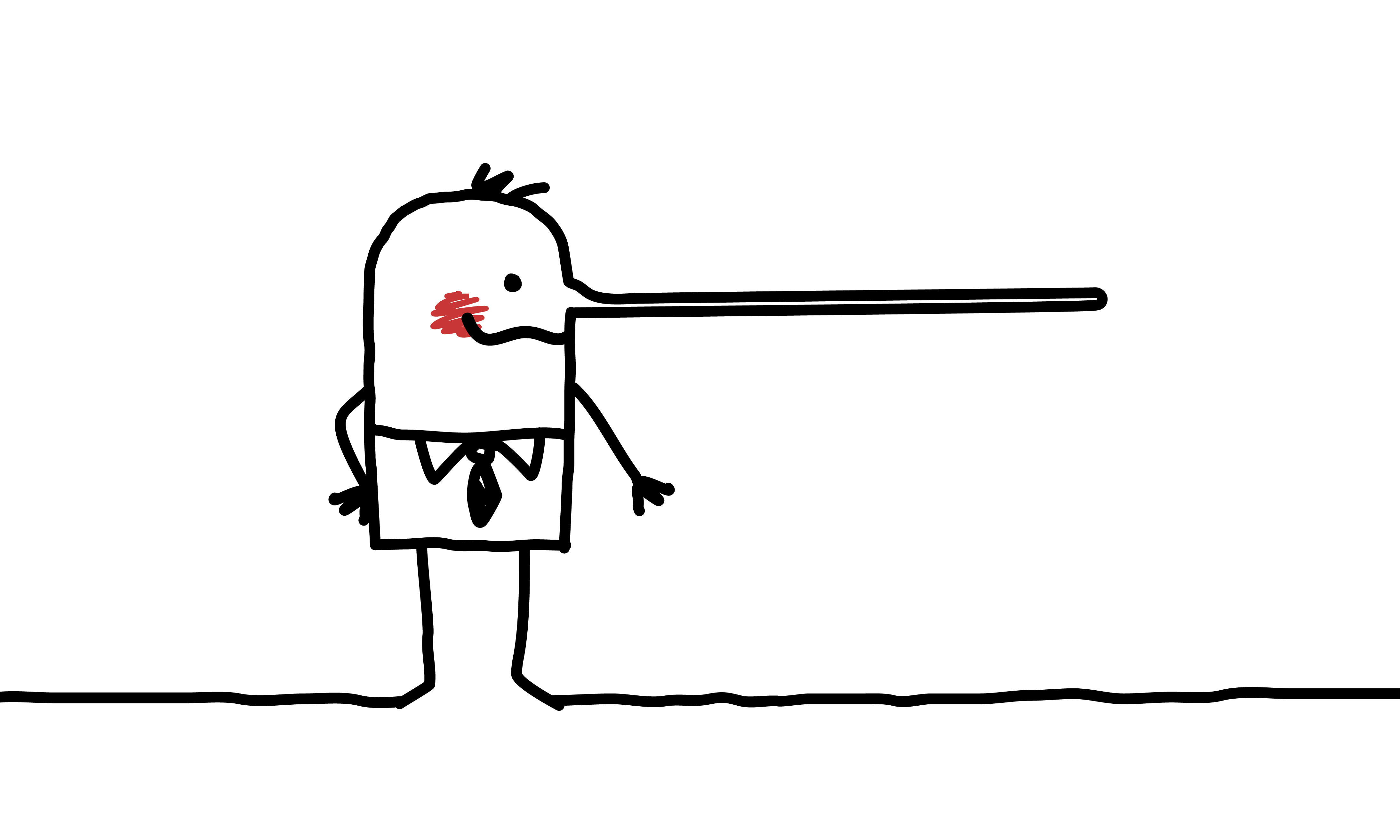
 Many of you know that I write the Question and Answer Column for Our Sunday Visitor on both their newspaper side and in their magazine, The Catholic Answer. Every now and then a question comes in that seems like a good topic for the blog.
The following question comes up frequently whenever I teach moral theology classes and we cover the issue of lying. In a way it is remarkable that the format of the question almost never changes, and that the usual (and I would argue questionable) answer has taken such deep root in Catholic thinking.
Here is the question followed by my answer to it. (Note that the answers I provide in that venue are required to be brief.)
Q. Is every lie intrinsically evil? I remember 60 years ago, when the Jesuits were still faithful teachers of Holy Mother Church, being taught that if a person was not entitled to the truth, one could, in fact, lead them away from the truth, by lying. For example, if I knew the hideout of Anne Frank and the Gestapo asked me if I knew her whereabouts, according to this theory, if I said I did not that would [not] be intrinsically evil. Ed S., Muscatine, IA
A: Permit a personal reply to this, with the understanding that reasonable people may differ with some aspects of my answer.
Unfortunately, the approach that you cite is a widespread notion related to a questionable concept called “mental reservation.” I call it “unfortunate” because it seems to say that a lie is not a lie.
But in the common example you cite, you clearly would be lying since it meets the definition of lying: speaking that which is untrue with the intention of deceiving. Indeed, the entire purpose of the lie is to deceive the officials by saying what is untrue.
It will be granted that the situation described is dreadful and fearsome. But I, like many moral theologians, am not prepared to say that it is not a lie simply because the situation is fearful and the authorities are bad people.
Perhaps the better approach is to say that it is a lie and that, as a lie, it is intrinsically wrong. However, when one is under duress or sees no clear way to avoid a consequent grave evil or injustice, one’s culpability for such a lie is lessened. It seems rather doubtful that God would make a big deal of the sort of lie you describe on Judgment Day.
But to call any lie good or justifiable is to harm a moral principle unnecessarily. Call it what it is: a lie. It is not good. And it is not permitted to do evil in order that good may come of it.
With this in mind it is better to say that what you describe would constitute a lie, lamentable but understandable. And given the gravity of the situation, there would not likely much if any blame incurred.
Life sometimes presents us with difficulties that are not easily overcome. But to adjust moral principles to accommodate anomalies is to engage in a kind of casuistry that does harm to moral principles. Sometimes the best we can do is to shrug humbly and say, “Well it’s wrong to lie, but let’s trustingly leave the judgment on this one up to God, who knows our struggles and will surely factor in the fearsome circumstances.”
So there’s my view, succinctly stated. There was no room in the column to address the questions that might arise based on my answer, but I will do so here:
- Is this the case even if someone does not have the right to know the truth?
- I am not sure it is right to say that someone does not have the right to know the truth. Certain matters may be no one’s business, but if that is the case then you should respond, “This is not for you to know and I will not answer.” But lying to such a person would not make the lie something other than what it is: a lie.
- What about state-sponsored lying in matters of national security?
- Don’t ask me to call it good or not a lie. But the fact that every nation knows that the others are lying is a factor. This does not make it good or not a lie, but would tend to make the practice less egregious and lessen the culpability of the officials who engage in it. In a big, bad world, permit me to shrug on this one—but don’t ask me to call it good, or virtuous, or not a lie.
- What about undercover investigations by the police or journalists that use assumed identities or present false information or intentions?
- Here, too, don’t ask me to say that telling a lie is really telling the truth. The fact is, it’s a lie. One should always seek to gather information in a straightforward manner. In criminal investigations the lie may be less egregious since most criminals are on their guard for exactly these sorts of tactics. But here, too, I would request that you not insist I call such practices good or even justifiable. I just don’t like being asked to say that it is permissible to do evil in order that good may come of it. The best I can do is to shrug and say, “Even though we live in a big, bad world, this is still lying. But it may not be the most serious sort of lying given the circumstances.” We all know it goes on. Let’s not call it good, but other things being equal, let’s not lose a lot of sleep over it either. There are big lies that cause grave harm and there are smaller lies that cause less harm. Not every lie is a mortal sin or equally harmful.
OK, now it’s your turn. But before answering, remember your Catechism:
A lie consists in speaking a falsehood with the intention of deceiving … To lie is to speak or act against the truth in order to lead someone into error … The gravity of a lie is measured against the nature of the truth it deforms, the circumstances, the intentions of the one who lies, and the harm suffered by its victims. If a lie in itself only constitutes a venial sin, it becomes mortal when it does grave injury to the virtues of justice and charity (CCC 2482 – 2484).